

Fruit and vegetable seaweed snacks are gaining attention as brands seek clean-label, plant-based products with stronger nutritional appeal. Successful development depends on balancing seaweed texture, fruit or vegetable flavor, moisture control, packaging, and scalable manufacturing.
For food brand owners, developing fruit and vegetable seaweed snacks requires formulation trials, factory validation, packaging engineering, and export compliance.
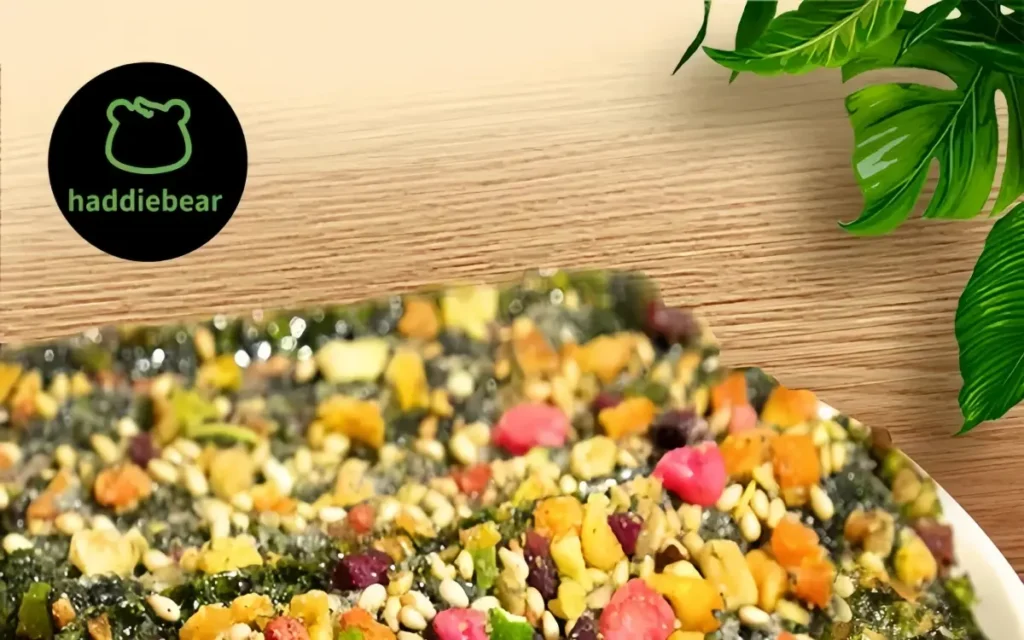
Why Are Fruit and Vegetable Seaweed Snacks Growing in Commercial Appeal?
Consumers increasingly want snacks with recognizable ingredients, lower perceived guilt, and convenient portion formats. Seaweed provides a light, savory base, while ingredients such as pumpkin, purple sweet potato, apple, carrot, and spinach create color and flavor differentiation.
The strongest commercial opportunities combine stable crispness, clear fruit or vegetable positioning, a simple ingredient statement, and convenient portioning.
For food brands, fruit and vegetable seaweed snacks can extend an existing portfolio. A manufacturer with fruit and vegetable nori, sandwich nori, seaweed snack crisps, and seasoned seaweed can support multiple lines from one supply chain.
The main challenge is balance. Excessive fruit powder may increase sweetness or absorb moisture, while heavy seasoning can hide the seaweed taste. Trials should evaluate flavor, texture, nutrition, and cost together.
Formulation and Process Design for Fruit and Vegetable Seaweed Snacks
A reliable formulation begins with the seaweed substrate. Sheet thickness, roasting response, salt level, color, and natural umami all affect the final result. The fruit or vegetable ingredient should support the seaweed rather than overpower it.
For fruit and vegetable seaweed snacks, the formulation must protect both the seaweed bite and the identity of the added produce.
Choosing Fruit and Vegetable Ingredients
Brands may use natural juice concentrates, vegetable powders, freeze-dried powders, or blended seasoning systems. Each option changes water activity, color stability, flavor release, and production cost.
Typical development considerations include pumpkin for mild sweetness, purple sweet potato for visual differentiation, apple for light acidity, and carrot or spinach for vegetable-led positioning. Blended powders can improve dosing consistency across batches.
Clean-label positioning does not mean removing technical discipline. Salt reduction, preservative-free formulas, and simple ingredient lists still require validated processing and packaging controls.
Spray-Coating and Layering Technology
Spray-coating helps distribute fruit or vegetable essence across the nori surface. Controlled spray pressure and liquid viscosity can reduce uneven flavor concentration and localized scorching.
Layering technology is useful for sandwich products and filled formats. A thin adhesive layer can help bond seaweed with a fruit or vegetable crisp layer while preserving a clean bite.
During development, the factory should assess:
1.Coating uniformity across the full sheet.
2.Adhesion after roasting and cutting.
3.Color changes under controlled heat.
4.Flavor retention after packaging.
5.Crispness after accelerated storage testing.
The process should be confirmed through lab-scale testing before commercial production. Small trials allow adjustment of seasoning intensity, sheet thickness, roasting temperature, and cut size without unnecessary inventory.
Which Product Formats Best Fit Your Brand?
Product format determines the eating experience, production route, packaging requirements, and target consumer. Three formats are especially relevant for fruit and vegetable seaweed snacks.
These fruit and vegetable seaweed snacks can be positioned for children, families, wellness shoppers, or premium grocery buyers.
Fruit and Vegetable Seasoned Seaweed Crisps
Seasoned crisps are thin, light, and suitable for single-serve or multipack packaging. They can carry a broad flavor range, from lightly sweet pumpkin to savory vegetable blends.
This format is efficient for brands testing a new fruit and vegetable seaweed snacks concept. It supports flexible flavors across convenience stores, supermarkets, online retail, and foodservice channels.
Filled or Sandwich Seaweed Crisps
Sandwich products use multiple layers to create a more substantial bite. A fruit or vegetable filling can add crunch, sweetness, or a contrasting texture between two seaweed layers.
The key technical issue is adhesion. The filling must remain stable during cutting, packing, transport, and storage. Too much filling can weaken the structure, while too little may reduce sensory impact.
Children’s Seaweed Rolls
Children’s formats usually require milder seasoning, manageable portion sizes, and a texture that is easy to eat. Roll shapes can improve portability and create stronger visual appeal on retail shelves.
A children-focused range, such as the HaddieBear concept, may use gentle fruit and vegetable notes. It still requires ingredient control, allergen management, moisture protection, and traceability.
How Should Brands Evaluate a Seaweed OEM Factory?
A suitable OEM partner should demonstrate more than a finished-product catalog. Review raw material control, pilot processes, testing records, packaging capability, certifications, and communication workflow.
For fruit and vegetable seaweed snacks, factory selection directly affects texture consistency, cost control, and launch timing.
Lianyungang Haipu Food Co., Ltd. operates a modern production base exceeding 20,000 square meters in Lianyungang. Its 100-plus automated production systems support consistent processing across several seaweed snack categories.
Haipu Food’s capabilities include fruit and vegetable nori, sandwich nori, seaweed snack crisps, and seasoned seaweed. It also operates Puno Tai and HaddieBear.
A practical OEM evaluation should include these questions:
•Can the factory provide lab samples before formal quotation?
•Does it support trial production and formula refinement?
•How are seaweed sheets, powders, oils, and seasonings inspected?
•Are roasting, moisture, weight, and seal integrity recorded by batch?
•Can the factory provide export documents and third-party inspection support?
•Does the proposed MOQ match the brand’s launch budget and forecast?
Product Development and OEM Checklist Table
| Development Stage | Key Technical Consideration | Haipu Food Capability | Brand Advantage |
| Concept definition | Target consumer, flavor, format, nutrition, and price | Product development consultation across seaweed categories | Clearer positioning before investment |
| Formula design | Powder type, salt level, binder, coating, and flavor balance | Fruit and vegetable nori formulation support | Distinctive clean-label product concept |
| Lab-scale testing | Coating uniformity, roasting response, texture, and color | Sample preparation and technical adjustments | Faster learning with lower trial cost |
| Trial production | Equipment compatibility, batch consistency, and yield | Automated production systems and pilot coordination | Better confidence before launch |
| Quality validation | Moisture, weight, sensory profile, seals, and traceability | HACCP-based process control and inspection support | Reduced quality and recall risk |
| Packaging development | Barrier film, nitrogen filling, artwork, and pack size | Private-label packaging coordination | Stronger shelf life and brand visibility |
| Export preparation | Certificates, documents, labeling, and inspection | ISO9001, HACCP, Halal, SGS, and export registration experience | Smoother international market entry |
Packaging, Shelf Life, and Private-Label Planning
Fruit and vegetable ingredients can be hygroscopic. If the package allows moisture ingress, a crisp snack may lose its texture before the stated shelf-life target is reached.
This packaging risk is especially important for fruit and vegetable seaweed snacks shipped through humid or long-distance supply routes.
High-barrier aluminum foil laminate or comparable moisture-resistant structures are commonly considered for international distribution. Nitrogen filling may help reduce oxygen exposure and protect delicate crisps during transport.
Packaging development should evaluate water vapor and oxygen barriers, seal strength, pack size, carton configuration, destination-market artwork, and storage conditions.
Private-label projects should define MOQ at the beginning. The required minimum may differ for standard film, custom printed film, special shapes, new molds, and multiple flavors.
A Practical Development Workflow for Food Brands
A typical project can follow this sequence:
1.Define the target market, consumer, price point, and preferred format.
2.Share ingredient, allergen, nutrition, and label requirements with the factory.
3.Review samples or develop a new fruit and vegetable seasoning system.
4.Conduct lab-scale trials and compare sensory results.
5.Confirm formula, packaging structure, artwork, and preliminary MOQ.
6.Complete trial production, quality checks, and shelf-life verification.
7.Approve the commercial batch and finalize export documentation.
Timelines vary with formula complexity, packaging customization, testing requirements, and approval speed. Recorded adjustments make the process easier to reproduce.
FAQ for Fruit and Vegetable Seaweed Snack Buyers
How long does custom formulation usually take?
A basic fruit and vegetable seaweed snacks sample cycle may take several weeks, depending on ingredient sourcing, flavor complexity, testing, and customer feedback. Custom packaging and regulatory review can extend the schedule.
Can a factory make samples before mass production?
Yes. Brands should request fruit and vegetable seaweed snacks samples and, when necessary, a trial production batch. This helps confirm texture, coating uniformity, packaging performance, and production feasibility.
What MOQ should a new brand expect?
MOQ for fruit and vegetable seaweed snacks depends on the product format, printed packaging, number of flavors, and whether new tooling is required. Standard packaging normally offers more flexibility.
What export compliance documents may be needed?
Requirements vary by destination market. Commonly reviewed items include HACCP or ISO9001 documentation, product specifications, ingredient and allergen statements, certificates of analysis, Halal documentation, and third-party inspection reports.
Industry Quality and Compliance Standards Cited
•HACCP: Supports hazard identification and preventive food safety controls.
•ISO9001: Provides a framework for quality management and process consistency.
•Halal: Supports access to markets and consumers requiring Halal-compliant products.
•SGS: May provide third-party inspection, testing, or verification services.
•FDA requirements: U.S.-bound products should be reviewed against applicable FDA food, labeling, facility, and import requirements.
•Export Food Manufacturer Registration: Supports manufacturer identification and export documentation where required.
For brands evaluating fruit and vegetable seaweed snacks, the strongest OEM decision combines sensory performance, process control, packaging engineering, and commercial flexibility. Haipu Food can support a structured path from concept to export-ready product.