

Seasoned nori for rice is a ready-to-use seaweed ingredient manufactured with roasted nori, edible oil, savory seasoning, and optional sesame or umami components. It adds aroma, texture, color, and savory flavor to rice dishes while supporting consistent commercial food production.
For importers, restaurant chains, food manufacturers, and private-label brands, this category offers more than convenience. Product format, seasoning intensity, moisture control, packaging, and compliance directly influence shelf life, cost, and customer acceptance.
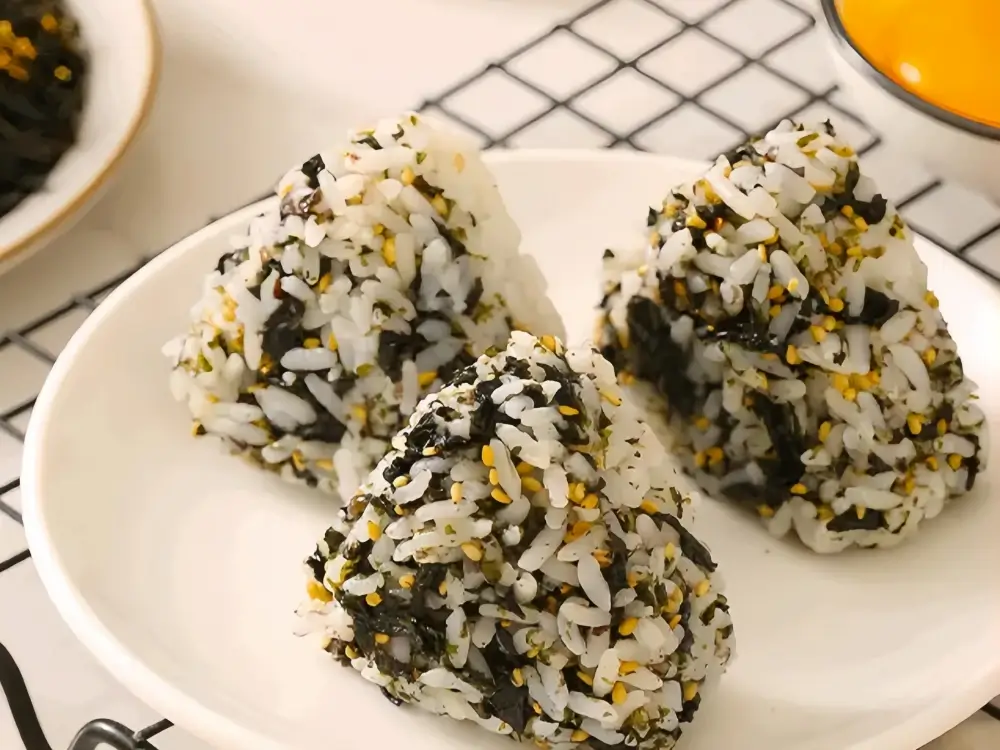
What Is Seasoned Nori for Rice?
Seasoned nori for rice is processed seaweed designed to accompany cooked rice, rice bowls, bibimbap, sushi products, and other prepared meals. It may be supplied as flakes, strips, small sheets, granules, or a furikake-style blend.
The nori is typically roasted before or after seasoning. Controlled roasting develops a crisp texture and a toasted marine aroma. Seasoning adds saltiness, oil richness, umami, and sometimes mild sweetness.
Commercial products differ from household seaweed snacks in several ways:
- They are often supplied in larger foodservice or industrial packs.
- The particle size is adjusted for rice mixing, topping, or filling.
- Seasoning can be standardized for repeated production batches.
- Packaging is designed for storage, transport, and frequent opening.
- Private-label formulas can be adapted to regional taste preferences.
For bulk buyers, the correct product depends on the final application. A restaurant topping may require larger flakes, while a food processor may need uniform granules for automated filling.
Types, Ingredients and Texture
Different products serve different operational purposes. The following comparison helps buyers connect product design with commercial use.
| Product Type | Key Ingredients | Texture | Primary Commercial Use |
|---|---|---|---|
| Seasoned nori flakes | Roasted nori, sesame oil or corn oil, salt, soy seasoning | Light, crisp, irregular flakes | Bibimbap, rice bowls, noodle toppings |
| Seasoned nori strips | Roasted nori sheets, oil, salt, savory seasoning | Thin, crisp, visible strips | Restaurant plating, sushi bowls, meal kits |
| Furikake-style nori | Nori flakes, roasted sesame, salt, sugar, umami ingredients | Dry, granular, aromatic | Retail shakers, rice seasoning, convenience foods |
| Foodservice rice seaweed | Nori, oil, seasoning blend, optional sesame | Medium flakes or granules | Large restaurant kitchens and catering |
| Private-label seaweed flakes | Customized nori base and approved seasoning formula | Buyer-specific texture | Branded retail bags, jars, and pouches |
Nori Base and Raw Material Selection
The nori base strongly influences flavor, color, brittleness, and mouthfeel. Higher-grade raw material generally delivers a cleaner aroma and more refined texture.
Haipu Food sources and processes seaweed within the Lianyungang supply chain. This location supports closer coordination between raw material selection, processing, seasoning, and finished-product inspection.
For commercial buyers, raw material evaluation may include:
- Leaf color and visual uniformity.
- Roasted aroma and marine flavor.
- Foreign-material control.
- Particle size after shredding or crushing.
- Moisture level after roasting.
- Seasonal consistency and supply capacity.
“First-harvest” or premium nori may be selected for products positioned at a higher retail price. Standard grades can be suitable for foodservice products where flavor consistency and cost control are more important.
Oil, Soy Seasoning and Umami Components
Oil carries seasoning across the nori surface and contributes to the final aroma. Refined sesame oil provides a recognizable Korean-style profile, while corn oil or other neutral oils create a lighter flavor.
Soy-based seasoning can add saltiness, color, and savory depth. The formula must be controlled carefully because excessive liquid seasoning may soften the nori or increase moisture migration.
Typical seasoning components may include:
- Refined sesame oil for roasted aroma.
- Corn oil or neutral edible oil for a lighter profile.
- Salt for basic flavor balance.
- Soy sauce powder or soy seasoning liquid.
- Sugar for mild sweetness.
- Roasted sesame for texture and visual appeal.
- Yeast extract or other natural umami ingredients.
- Spices tailored to regional taste requirements.
Allergen declarations should be reviewed before commercial approval. Soy and sesame are especially relevant for international retail and foodservice products.
How Is Seasoned Nori Manufactured?
A reliable process is essential for producing seasoned nori for rice at scale. Small variations in oil distribution or roasting can change crispness, flavor, and shelf stability.
A typical automated process includes the following stages:
- Raw material inspection: Nori is checked for appearance, odor, moisture, and foreign materials.
- Cutting or shredding: The sheet is converted into flakes, strips, or granules.
- Seasoning application: Oil and seasoning are sprayed or mixed at controlled rates.
- Multi-stage roasting: Low-temperature roasting develops crispness without excessive burning.
- Cooling: The product is cooled before packing to reduce condensation risk.
- Metal detection and inspection: Finished material passes through food-safety control points.
- Weighing and packaging: The product is packed according to retail, foodservice, or industrial specifications.
Automated seasoning systems help distribute oil and flavor more evenly. Multi-stage low-temperature roasting can improve texture while reducing localized scorching.
The process should be validated against the intended particle size. Small flakes may roast faster than larger strips. A single roasting profile may not work equally well for every product format.
Moisture Control and Packaging for Bulk Supply
Moisture is one of the main quality risks for seasoned nori for rice. Excess moisture can reduce crispness, weaken aroma, and encourage texture deterioration during storage.
In commercial manufacturing, the finished product is typically controlled within a target moisture range. A practical specification may be below 3–5%, depending on the formula, format, and customer requirements.
Moisture control normally includes:
- Controlled roasting temperature and residence time.
- Cooling in a low-humidity production environment.
- Routine moisture testing before release.
- High-barrier packaging materials.
- Proper sealing and storage conditions.
- Desiccant or oxygen-control options when appropriate.
For long-distance ocean freight, packaging performance is especially important. Aluminum-foil laminate or other high-barrier structures can reduce exposure to humidity, oxygen, and light.
Nitrogen flushing may also be used to protect crispness and slow oxidation. The exact packaging structure should be selected according to pack size, shipping duration, opening frequency, and expected shelf life.
For seasoned nori for rice bulk orders, buyers should review both inner packaging and master-carton protection. A strong product can still lose quality if cartons are poorly sealed or exposed to humid warehouse conditions.
Commercial Applications and Purchasing Considerations
Seasoned nori for rice is used across foodservice, retail, and industrial production. Its value comes from fast preparation, repeatable flavor, and flexible presentation.
Restaurant and Foodservice Applications
Japanese and Korean restaurants commonly use seasoned seaweed as a rice topping, side ingredient, or finishing garnish. Bibimbap restaurants may prefer medium flakes that distribute easily across a bowl.
Rice fast-food chains often need stable products that can be portioned quickly. Foodservice packs may be designed for daily kitchen use, with resealable bags or smaller inner packs.
Common applications include:
- Bibimbap and Korean rice bowls.
- Sushi bowls and poke-style meals.
- Onigiri and rice ball fillings.
- Noodle toppings.
- Meal kits and prepared foods.
- Catering and central-kitchen production.
Retail and Industrial Applications
Retail brands may use furikake-style nori in jars, pouches, or shaker bottles. Industrial food manufacturers can incorporate nori into frozen meals, snack mixes, instant rice products, or seasoning systems.
A private label seasoned seaweed flakes project normally requires decisions about formula, packaging, artwork, regulatory text, and minimum order quantity.
Buyers should assess:
- Product format and particle-size tolerance.
- Flavor profile and seasoning intensity.
- Target moisture specification.
- Pack size and serving format.
- Shelf-life target and storage conditions.
- Carton dimensions and pallet configuration.
- MOQ and production lead time.
- Required export documents and certificates.
For commercial seaweed for rice seasoning, cost should not be evaluated by unit price alone. Yield, breakage, packaging loss, freight efficiency, and customer returns can materially affect the total purchase cost.
Lianyungang Haipu Food Co., Ltd. operates a modern production base exceeding 20,000 square meters. The factory uses more than 100 sets of automated equipment and supplies seasoned nori, shredded nori, sushi nori, and sandwich nori.
Its Puno Tai and HaddieBear brands serve different market positioning needs. The company also supports OEM and ODM cooperation for importers, restaurant groups, and private-label brands.
Why Choose a Specialized Nori Manufacturer?
A specialized furikake nori manufacturer can support more than basic product supply. It can help buyers adjust particle size, seasoning ratios, packaging structure, and production specifications.
For international buyers, factory capability should be assessed through documented evidence. Recommended evaluation points include:
- Factory audit and production traceability.
- HACCP-based food-safety procedures.
- ISO9001 quality-management practices.
- Halal certification when required by the market.
- SGS inspection or testing documentation.
- Export food manufacturer registration.
- Batch records and certificate-of-analysis availability.
- Complaint handling and corrective-action procedures.
Haipu Food’s stated export certifications and compliance credentials include ISO9001, HACCP, Halal, SGS, and Export Food Manufacturer Registration. Documentation should be confirmed for the specific product and destination market.
FAQ for B2B Buyers
What is the MOQ for seasoned nori for rice bulk orders?
MOQ depends on product format, pack size, seasoning formula, and whether the order uses standard packaging or private-label packaging. Standard products usually offer a simpler starting point than fully customized OEM projects.
What is the typical shelf life?
Shelf life depends on moisture, oil stability, packaging barrier performance, and storage conditions. Many commercial products are designed for extended ambient storage, but the final period should be confirmed through product-specific stability data.
Can the flavor be customized?
Yes. Buyers can usually discuss saltiness, sesame intensity, sweetness, umami level, oil type, spice profile, and particle size. Formula changes should be evaluated through samples and technical approval before mass production.
Can the product be exported with international certifications?
Export documentation can include HACCP, ISO9001, Halal, SGS reports, and food manufacturer registration documents. Additional requirements may apply according to the destination country, importer, and retail channel.
Industry Quality & Compliance Standards Cited
- HACCP: Identifies and controls biological, chemical, and physical food-safety hazards.
- ISO9001: Supports documented quality-management and continuous-improvement procedures.
- Halal: Provides suitability documentation for markets requiring Halal-compliant ingredients and processing.
- SGS: May support third-party inspection, laboratory testing, or shipment verification.
- FDA requirements: May apply to ingredients, labeling, facility registration, and import procedures for products entering the United States.
- Export Food Manufacturer Registration: Supports traceability and regulatory oversight for international food shipments.