

Nori is a global pantry staple famous for wrapping sushi. As seaweed snacks become mainstream, health-conscious consumers naturally ask: is nori healthy?
Yes, nori is a highly nutritious food. It provides a low-calorie source of plant-based protein, essential minerals, and vitamins. Incorporating it into a balanced diet offers notable health benefits.
However, sourcing and portion control matter. Quality manufacturing standards impact the nutritional integrity of the final product. Understanding these variables ensures you get the most out of this marine superfood.
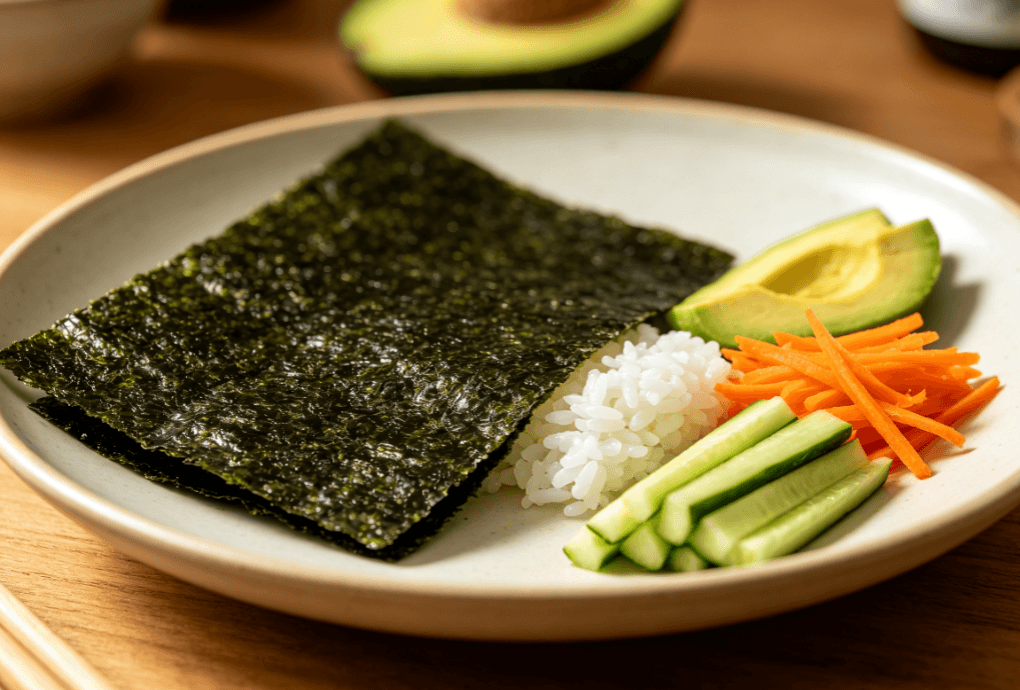
What Is Nori and How Is It Made?
Nori refers to edible red algae species, primarily from the Pyropia genus. It thrives in cold, shallow coastal waters.
The manufacturing process closely resembles papermaking. Raw seaweed is harvested, washed thoroughly, and shredded into a fine mixture. This mixture is pressed into thin sheets and dried.
Most commercial products undergo a secondary roasting process. This creates yaki-nori, the crisp, dark green sheets used for sushi. Roasting enhances the umami flavor profile while neutralizing harmful marine bacteria.
Is Nori Healthy? Key Nutritional Benefits
If you are wondering is nori healthy, looking at its nutrient density provides the answer. A standard sheet weighs about 2.5 grams. It packs a surprising amount of nutrition into minimal calories.
- Thyroid Support: Nori contains natural iodine. This trace mineral is crucial for producing thyroid hormones. These hormones regulate metabolism and energy levels.
- Heart Health: Seaweed contains omega-3 fatty acids, specifically EPA. These marine fats help reduce inflammation. They also support healthy cardiovascular function.
- Gut Health Maintenance: Nori is rich in soluble dietary fiber. These fibers act as prebiotics. They feed beneficial gut bacteria and support healthy digestion.
- Antioxidant Properties: Roasted seaweed contains Vitamin C, beta-carotene, and unique marine compounds. These antioxidants help neutralize free radicals. They protect cellular structures from oxidative stress.
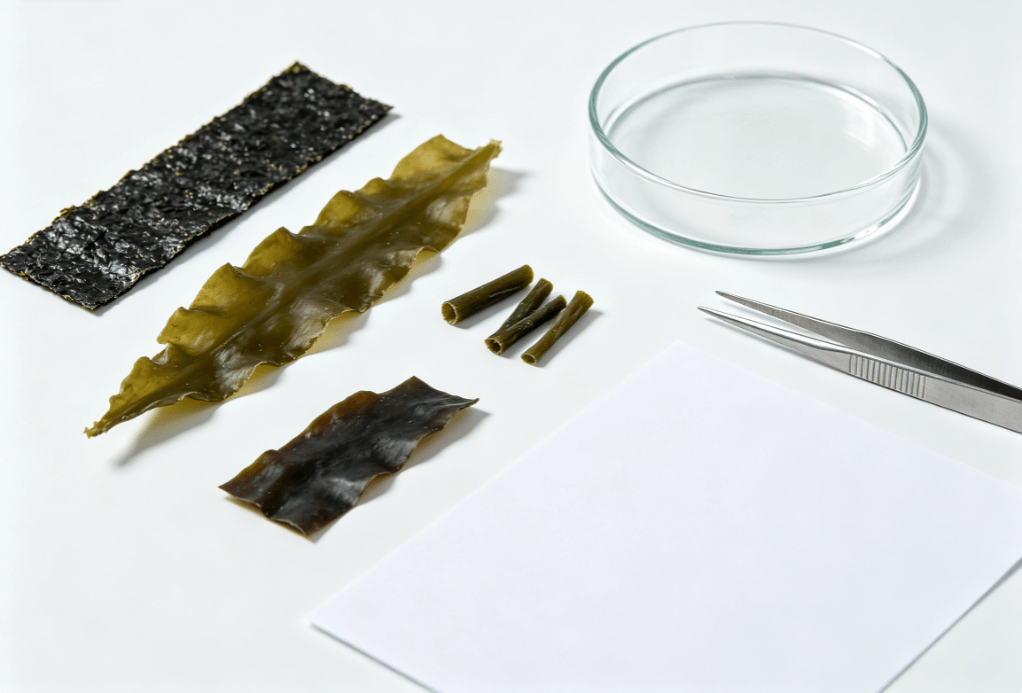
The Iodine Spectrum: Nori vs. Other Seaweeds
Not all seaweed contains the same nutrient levels. Iodine concentration varies wildly by species. Nori is generally safer for frequent consumption compared to other types.
The table below illustrates average iodine levels across common culinary seaweeds.
| Seaweed Type | Common Use | Iodine Content (per gram) | Risk of Excess |
| Nori | Sushi rolls, snacks | 16–43 mcg | Low |
| Wakame | Miso soup, salads | 42–200 mcg | Moderate |
| Kombu (Kelp) | Dashi broth | 1,500–2,500+ mcg | High |
Because nori falls on the lower end of the iodine spectrum, healthy adults can enjoy it regularly.
Potential Risks of Eating Too Much Seaweed
While nori is nutrient-dense, excessive consumption carries certain risks. The primary concern is iodine toxicity. Consuming too much iodine can trigger thyroid dysfunction. This may lead to hyperthyroidism or goiter.
Heavy metal contamination is another valid concern. Seaweed acts like a sponge in the ocean. It can absorb trace amounts of arsenic, lead, and cadmium from its environment.
This makes supply chain transparency critical. Food safety depends entirely on where the algae grows and how it is processed. Responsible harvesting locations significantly reduce contamination risks.
Culinary Applications: Maximizing Dietary Value
Integrating roasted seaweed into your diet is simple. Its savory umami flavor complements many dishes.
- Classic Sushi Maki: Wrap seasoned rice and fresh fish in full-sized sheets.
- Soups and Broths: Slice sheets into thin strips. Use them to garnish ramen, udon, or miso soup.
- Healthy Snacking: Lightly salted and oiled strips serve as an excellent potato chip alternative.
- Seasoning Blends: Crush dry sheets into flakes. Mix with sesame seeds to create furikake seasoning for rice.
Quality Standards in Seaweed Sourcing
The health benefits of nori rely heavily on manufacturing integrity. Commercial buyers and knowledgeable consumers look for strict quality systems. Proper processing preserves nutrients while eliminating contaminants.
Leading manufacturers like Haipu Sushi Nori emphasize rigorous quality control. This includes multi-stage washing, precise roasting temperatures, and comprehensive metal detection. Factory certifications like ISO and FDA compliance ensure the product remains safe for global markets.
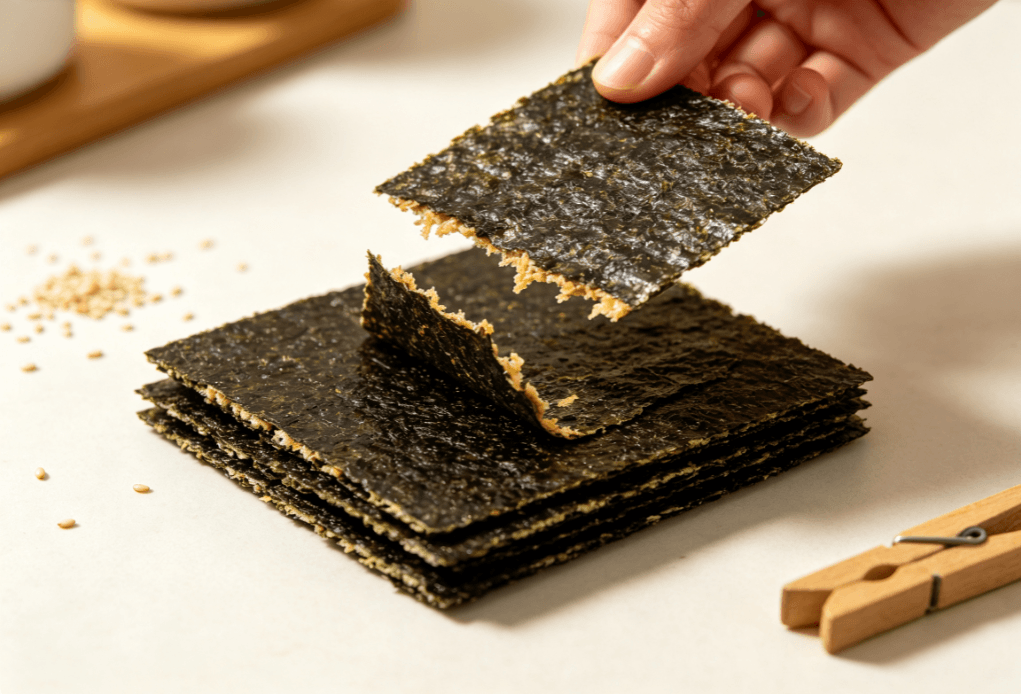
When evaluating seaweed products, look for clear packaging. High-quality roasted sheets should appear dark green, not black or purple. They should snap crisply rather than bending. Premium sourcing guarantees both culinary performance and nutritional safety.
FAQ
Can I eat nori every day?
Yes, healthy adults can safely consume a few sheets daily. Nori has a lower iodine content than kelp. Eating 2 to 4 sheets a day provides essential nutrients without exceeding recommended iodine limits.
Is nori a good source of Vitamin B12?
It contains trace amounts of Vitamin B12. However, the bioavailability of plant-based B12 is debated. Vegans should not rely on seaweed as their primary B12 source. Supplementation is still recommended.
Are roasted seaweed snacks as healthy as plain sheets?
Plain sushi nori is the healthiest option. Commercial snacks often add sesame oil, salt, or sugar. Check the nutritional label to monitor your sodium and calorie intake when eating flavored snacks.
Does roasting destroy the nutrients in seaweed?
Roasting slightly reduces heat-sensitive vitamins like Vitamin C. However, it preserves essential minerals like iodine and iron. The roasting process also makes the cell walls easier to digest.
How should I store nori to keep it fresh?
Store sheets in an airtight container away from direct sunlight. Moisture ruins the crisp texture. Keep the original silica gel packet in the bag to prevent humidity damage.
Reference Sources
- National Institutes of Health (NIH) Office of Dietary Supplements: Iodine Fact Sheet for Health Professionals. Provides baseline daily intake recommendations and tolerable upper intake levels.
- Food and Agriculture Organization of the United Nations (FAO): A guide to the seaweed industry. Outlines global harvesting standards and safety testing for edible algae.
- U.S. Food and Drug Administration (FDA): Metals and Your Food. Details guidance on heavy metal testing requirements in imported seafood and marine plant products.